
mirror window price
Measuring Tools and Equipment The Backbone of Precision Measuring tools and equipment are essential components in various fields, from construction and manufacturing to science and engineering. They provide the necessary accuracy and precision for tasks that require quantifiable results. With the advancement of technology, the range and sophistication of measuring instruments have expanded significantly, leading to improved efficiency and reliability in various applications. Historical Context The history of measuring tools dates back to ancient civilizations, where rudimentary devices were created for trade, construction, and astronomy. The Egyptians used simple measuring rods, while the Greeks invented devices like the astrolabe to determine celestial positions. As time progressed, the need for more precision led to innovations, such as the vernier caliper in the 17th century, which allowed for more accurate measurements than ever before. Types of Measuring Tools Measuring tools can be categorized into various types, each serving a specific purpose 1. Linear Measuring Tools These include rulers, tapes, calipers, and micrometers. They are designed for measuring length, width, and depth with high accuracy. For example, a digital caliper can measure internal and external dimensions accurately to decimals, making it invaluable in engineering and manufacturing processes. 2. Area and Volume Measuring Tools Instruments like the planimeter and graduated cylinders are used to calculate area and volume. In fields like geology and agriculture, precise measurements of land and resource volumes are critical. 3. Weight Measuring Tools Scales and balances are used to measure mass . Precision balances, used in laboratories, can provide measurements to the milligram, which is essential for chemical experiments and material science studies. measuring tools and equipment 4. Temperature Measuring Tools Thermometers and thermocouples are employed to assess temperature in various environments. Accurate temperature readings are crucial in scientific experiments, cooking, and HVAC system management. 5. Pressure Measuring Tools Pressure gauges and manometers measure gas and liquid pressures. These tools are vital in engineering applications and industrial processes where pressure measurement can impact safety and efficiency. 6. Electrical Measuring Tools Multimeters and oscilloscopes help in measuring electrical properties such as voltage, current, and resistance. With the rise of electronics, these tools are indispensable in both laboratory settings and fieldwork. The Importance of Calibration Calibration is a critical process that ensures measuring tools provide accurate results. Over time, even the most precise instruments can drift due to wear and environmental conditions. Regular calibration against standard measurements is necessary to maintain the integrity of the data collected. In industries like aerospace and pharmaceuticals, where precision is paramount, neglecting calibration can lead to significant consequences, including safety hazards and product failures. The Role of Technology Technological advancements have revolutionized the world of measuring tools. Digital measuring devices now offer improved accuracy, user-friendly interfaces, and the ability to store and analyze data. For instance, laser distance measures can quickly calculate distances without the need for cumbersome tape, and digital readouts eliminate the chance of human error in measurement interpretation. Conclusion In conclusion, measuring tools and equipment are foundational to progress in science, engineering, trade, and many other fields. Their evolution from simple instruments to sophisticated digital devices highlights humanity's quest for accuracy and efficiency. As technology continues to advance, we can expect even more innovative solutions to emerge, further enhancing our ability to measure and understand the world around us. Whether in everyday life or specialized industries, precise measurements remain crucial in achieving successful outcomes.
about
mirror window price
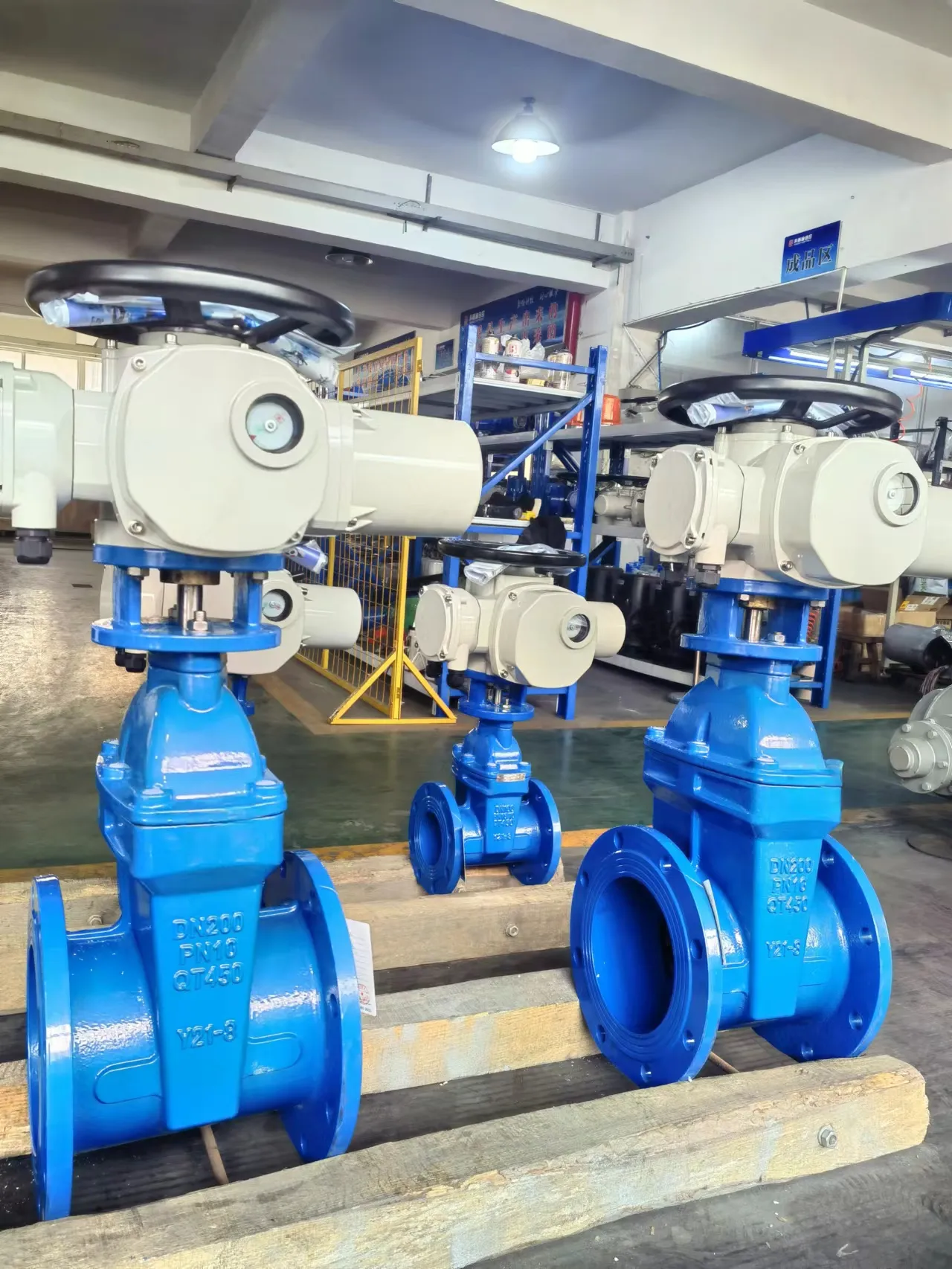
Control valve price is an important factor to consider when selecting a control valve for any application. The price of a control valve can vary depending on a variety of factors, including the type of valve, size, material, and brand. In this article, we will discuss the different factors that can influence control valve prices and provide some tips on how to get the best value for your money. One of the main factors that can impact the price of a control valve is the type of valve. There are several types of control valves, including globe valves, butterfly valves, ball valves, and diaphragm valves, among others. The complexity of the valve design and the materials used in its construction can affect the price. For example, a control valve with a more intricate design or made from high-quality materials may cost more than a simpler valve made from cheaper materials. Another factor that can influence control valve prices is the size of the valve. Control valves come in a range of sizes, from small valves used in residential plumbing systems to large valves used in industrial applications. Larger valves typically cost more than smaller valves due to the increased materials and manufacturing costs associated with their production. The material used in the construction of the control valve can also impact its price . Control valves can be made from a variety of materials, including stainless steel, brass, and plastic. Valves made from more durable and corrosion-resistant materials tend to be more expensive than those made from cheaper materials control valve price . The brand of the control valve can also play a role in its price. Well-known brands with a reputation for quality and reliability may charge a higher price for their products compared to less-established brands. However, it is important to note that price does not always equate to quality, and it is essential to research and compare different brands before making a purchase. When shopping for a control valve, it is essential to consider the total cost of ownership, not just the upfront price. Factors such as maintenance and repair costs, energy efficiency, and longevity should also be taken into account when evaluating the value of a control valve. To get the best value for your money when purchasing a control valve, it is essential to shop around and compare prices from different suppliers. Some suppliers may offer discounts or promotions that can help reduce the cost of the valve. Additionally, it is a good idea to read reviews and testimonials from other customers to gauge the quality and reliability of the control valve before making a purchase. In conclusion, control valve prices can vary depending on a variety of factors, including the type of valve, size, material, and brand. By considering these factors and shopping around for the best value, you can find a control valve that meets your needs and budget. Remember to factor in total cost of ownership and consider factors beyond just the upfront price when making your decision.
-

High quality industrial productsagement

High quality industrial products
View Details -

Meet the diverse needs of customers

Meet the diverse needs of customers
View Details -

Strict quality control

Strict quality control
View Details -

Top raw materials

Top raw materials
View Details -

Trusted supplier

Trusted supplier
View Details
Our application

news and information
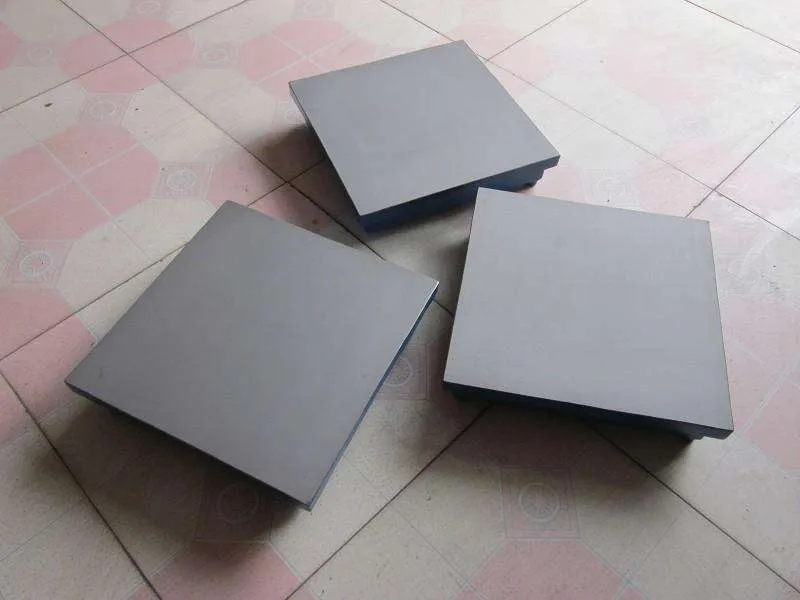
Various Types of Control Valves and Their Practical Applications in Industry
Control Valve Types and Applications Control valves are critical components in various industrial pr
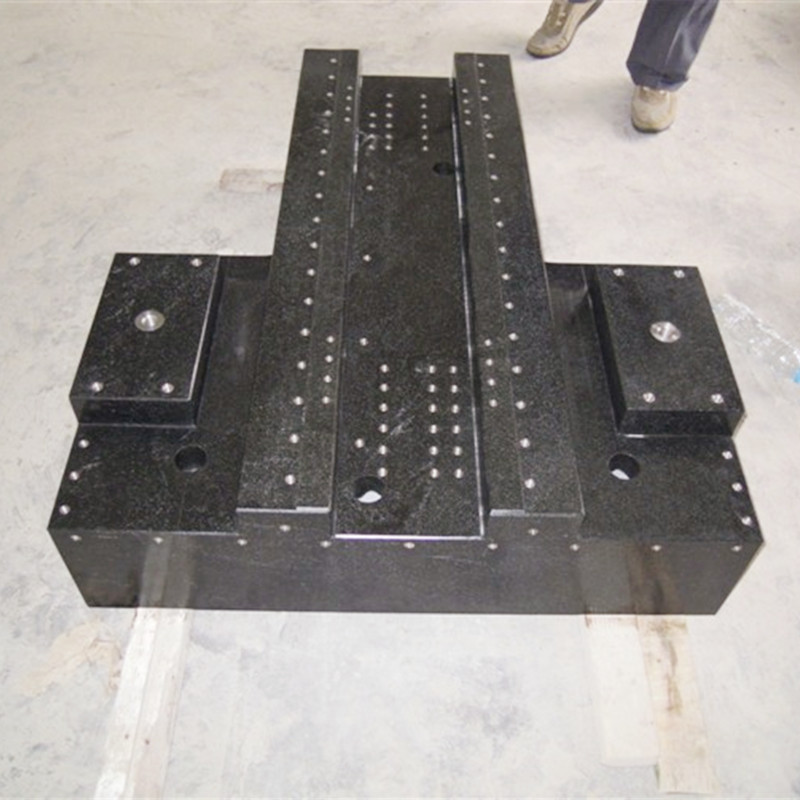
Welding Table Cast Iron Surface Finish Guide
As a wholesaler in the welding equipment industry, understanding the intricacies of welding table ca
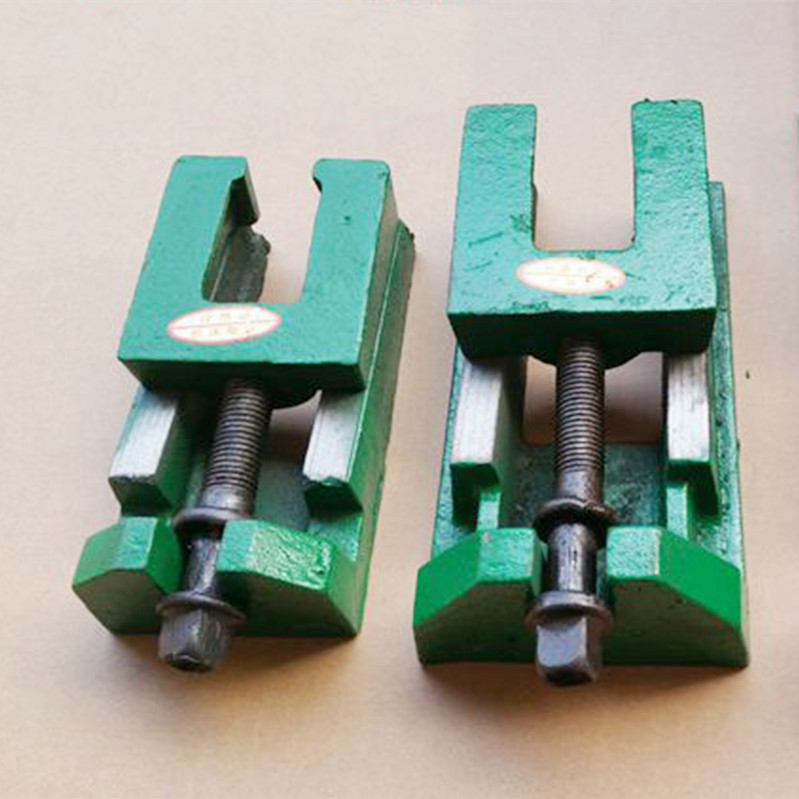
water pressure control valve
Understanding Water Pressure Control Valves Water pressure control valves are essential components i
 English